
 Language Select:




.png)
.png)




Sign up for a Changi Account to receive the latest updates


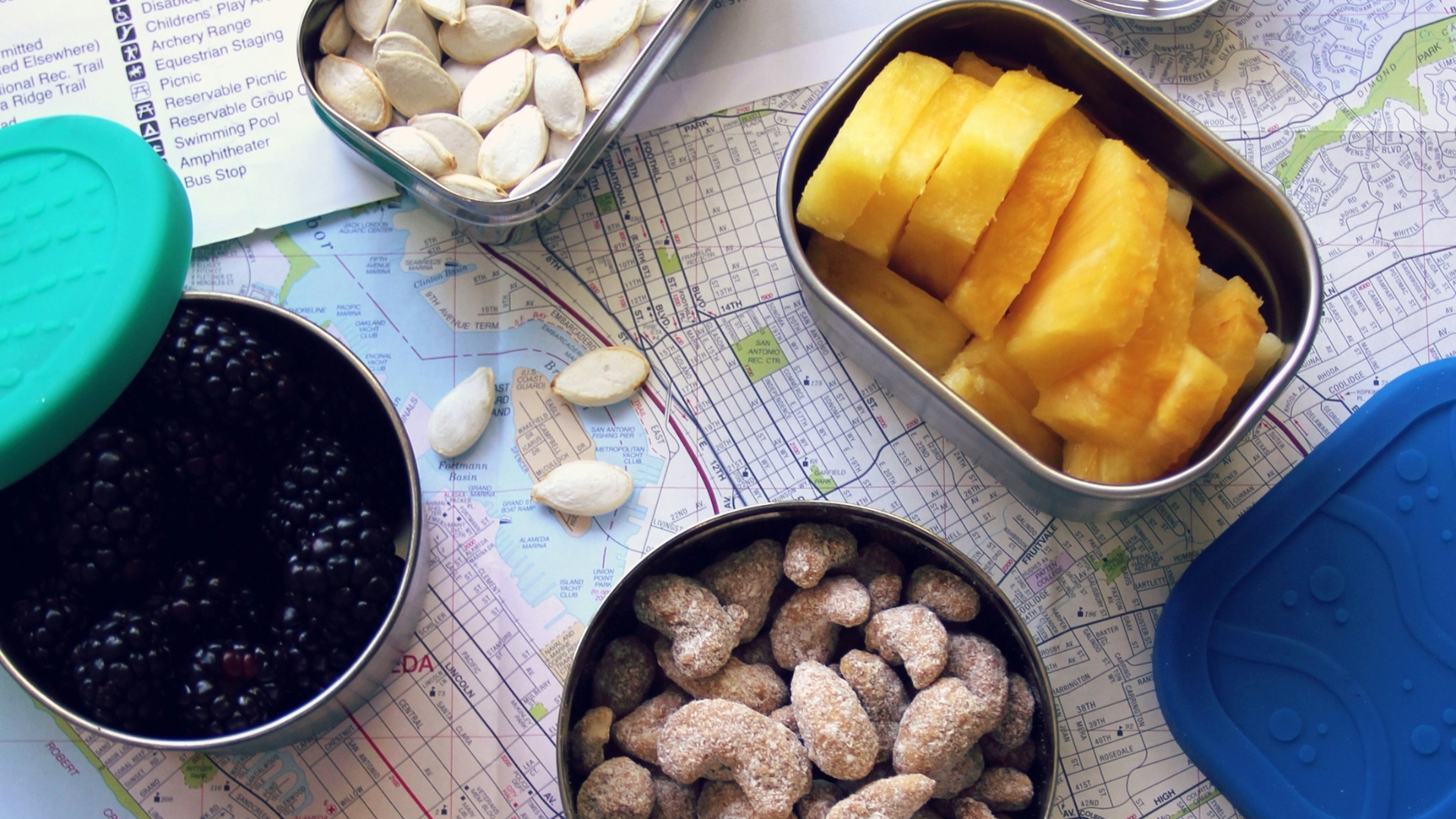
There is something about a long flight that makes you hungry at the worst possible moment. When you are stuck in a window seat at 35,000 feet with limited room to move, bringing your favourite travel snacks changes things considerably! By deciding what snack goes into your bag, you could have better nutrition, enjoy some cost savings and experience greater satisfaction. Whether you are on a short two-hour flight or a 12-hour long-haul journey, the right snacks can make a real difference to your comfort onboard.
That said, there is more to it than just tossing a few biscuits into your carry-on. Security rules, customs restrictions, cabin etiquette and smart packing all come into play. This guide walks you through everything you need to know, from choosing the best plane snacks to getting them through the checkpoint without a hitch.
Best plane snacks to bring and eat on board
Once you know what you can bring, the more enjoyable question becomes: what should you actually pack? The best plane snacks do two things well: they keep you satisfied for longer, and they do not leave you feeling worse than before you ate them.
High-protein options
Protein is your best friend at high altitude. It stabilises your blood sugar and keeps hunger at bay, which matters more when mealtimes shift and the next proper food stop is uncertain.
Jerky or meat sticks are a reliable choice, delivering around 10 grams of protein per serving in a compact, no-refrigeration-needed format. Protein bars have also come a long way: some bars offer 20 grams of protein, while some keep it basic at just 12 grams from whole food ingredients. If you prefer something lighter, roasted edamame or individually wrapped cheese sticks travel well and offer solid protein without any fuss. Hard-boiled eggs, peeled at home and packed in a sealed container, are another practical option for longer flights.
Fresh and hydrating choices
Cabin air pulls moisture from your body faster than most people expect, so water-rich foods are genuinely useful here, not just a nice idea. Watermelon, apples and grapes hydrate whilst taking care of sweet cravings at the same time. Cucumbers, celery and cherry tomatoes pair well with a small pot of hummus (remember to keep it under 100ml to clear security without any issues).
For long-haul travellers in particular, kiwi fruit and cherries are worth adding to your bag. Both contain melatonin, which can help your body ease into sleep more naturally across time zones.
Grab-and-go items that travel well
Not every snack needs to be carefully planned. Trail mix — a simple combination of nuts, seeds and dried fruit — packs easily and holds up well over several hours. Homemade muffins are surprisingly good travel companions, popcorn offers a lighter alternative to crisps, and coconut chips deliver satisfying crunch without the bloating that comes from heavily salted potato varieties.
Pre-made meals for longer flights
If you are on a long-haul journey and want something more substantial, a few options hold up well without refrigeration. Kale salads can be dressed in advance without wilting. Pasta or rice bowls with vegetables and a light dressing work perfectly at room temperature. Sandwiches spread with hummus stay fresh for several hours, and overnight oats require no cooling at all whilst being easy to adapt for most dietary needs.
The key is simplicity: foods that are easy to pack, easy to eat and easy for digestion while you are sitting in a pressurised cabin for hours at a stretch.
Choosing snacks that travel well
Before you start filling your bag with snacks, it is worth understanding the rules that apply at security checkpoints and customs. A little preparation here saves you from having to leave things behind at the airport.
Security rules and liquid restrictions
Solid foods are generally the easiest snacks to pack. Sandwiches, fresh fruit, vegetables, granola bars and baked goods can usually be carried through security without any issues in either your carry-on or checked baggage.
The trickier part is anything that can spread, pour or be squeezed. Even if they seem like food rather than liquids, items such as peanut butter, yogurt, jams and similar spreads are treated as liquids at airport security. That means each container must be 100ml or less and fit inside your single clear 1-litre clear resealable plastic bag.
Food restrictions at your destination
Fresh fruit, vegetables and homemade food may be perfectly fine to enjoy during your flight, but they are not always allowed into your destination country. If you are packing fresh snacks, try to finish them before you arrive. If you have any leftovers, check your destination's food import rules before bringing them through customs.
Keep your snack choices cabin-friendly
While your favourite tuna sandwich may taste great, strong food smells can linger in an aircraft cabin for much longer than you might expect. Choosing milder snacks is a considerate way to make the journey more pleasant for everyone on board.
A little preparation goes a long way
Happy snacking on a flight comes down to one thing: thinking ahead. Most airlines these days have their food menu available online to browse and choose from before your flight. If you prefer to bring your own snacks to complement your in-flight meal or tide you over between meals, make sure you understand what you can and cannot carry through security and pack everything properly.
Forgot to pack your own? Fret not. Convenience stores and supermarkets at Changi Airport stock a range of ready-to-eat protein bars, nuts, jerky and other travel-friendly snacks that are easy to grab before boarding.
This article has been reproduced from Now Boarding.